Rethinking Heart Repair: A Shift Toward Cell-Free Therapeutics
Source: College of Biomedical Engineering
Published on 2026-08-06
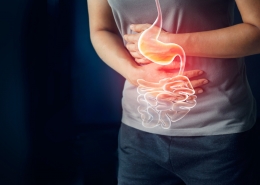
A heart attack – or myocardial infarction (MI) – can happen in minutes, but the damage it leaves behind can last a lifetime. It remains one of the leading causes of death worldwide, with over 10 million cases each year. When blood supply to the heart is blocked, cardiac muscle cells die and are replaced by non-contractile scar tissue, which can eventually lead to heart failure.
Modern treatments such as stent placement and bypass surgery have transformed emergency cardiac care by restoring blood flow and saving lives. Yet one major challenge remains unresolved: there is still no widely available therapy that can repair the damaged heart muscle itself.
Over the past two decades, cell therapies — injecting stem cells or other donor cells directly into the heart — have been explored as a potential solution. While these approaches have shown some promise, they face significant practical hurdles: cells are expensive to grow and validate, difficult to keep alive after injection, and challenging to manufacture at a scale that could serve millions of patients. Importantly, research has shown that most of the therapeutic benefit of cell therapy actually comes from the factors that the transplanted cells release, rather than from the cells themselves integrating into the heart.
This insight raises an important question: if the cells are mostly helping by what they secrete, could we achieve similar benefits without using live cells at all?
Three Emerging Cell-Free Strategies

Scalable Cell-Free Cardiac Therapies
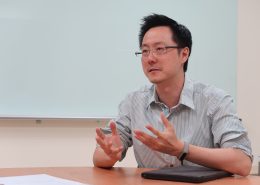
In a recent review article published in Trends in Biotechnology, Associate Professor David Lundy of Taipei Medical University (TMU), together with researchers from TMU, Academia Sinica in Taiwan, and the University of Washington (USA), examined three promising cell-free strategies that could overcome the limitations of cell therapy while still effectively treating the injured heart.
- Acellular Biomaterials
Acellular biomaterials — made from natural sources like decellularized animal tissues, hyaluronic acid, alginate, or starch, or from synthetic polymers — can be injected into the heart wall or applied as a patch onto the heart surface. They work by providing mechanical support to the weakened ventricle and by creating a microenvironment that encourages the body’s own repair processes. Several of these materials are already in early-stage clinical trials, and some have shown results comparable to conventional cell therapies.
- Platelet-Derived Extracellular Vesicles (EVs)
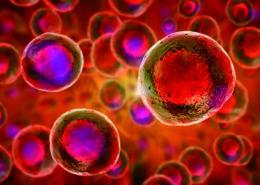
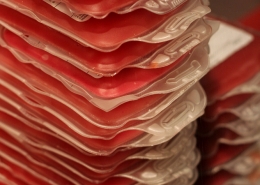
Platelets are small cell fragments in our blood that are routinely collected and stored at blood banks worldwide. When activated, platelets release tiny membrane-bound particles called extracellular vesicles (EVs) that carry a complex cargo of proteins, microRNAs, and even mitochondria. These vesicles have shown strong cardioprotective effects in preclinical studies. Crucially, their production can leverage the existing blood-banking infrastructure, making them attractive from a manufacturing and regulatory standpoint. A first-in-human safety trial of platelet-derived EVs has already been completed for wound healing, representing an important step towards cardiac applications.
- Synthetic Nanocarriers and EV Mimetics
Engineered nanoparticles and liposomes can be manufactured using well-established industrial methods and loaded with specific therapeutic proteins, growth factors, or nucleic acids. While they lack the biological complexity of natural EVs, they offer superior batch-to-batch consistency and precise control over their cargo and release kinetics. The successful mass production of mRNA vaccine lipid nanoparticles during the COVID-19 pandemic demonstrated the clinical feasibility and scalability of this approach. A particularly exciting frontier is the bottom-up assembly of fully synthetic vesicles that incorporate key EV surface markers and selected therapeutic cargo, potentially combining the best of both worlds.
Why Scalability Matters in Clinical Translation
A central message of the review is that scientific promise alone is not enough. For a therapy to truly reach patients, it must be manufacturable, consistent, safe, and practical for clinical use. The team evaluated each approach against key translational requirements: the ability to manufacture in accordance with good manufacturing practice (GMP) guidelines, compatibility with minimally invasive delivery methods, predictable degradation, and consistency across production batches. They believe that the most rapid clinical translation will emerge from simpler approaches that balance biological efficacy with practical manufacturing realities.
Looking Ahead: Toward Integrated Therapeutic Platforms
While significant challenges remain, cell-free cardiac therapy represents an exciting new direction in regenerative medicine. Researchers still need to improve the optimisation of delivery and retention in the heart, establish robust quality-control metrics that correlate with therapeutic outcomes, and navigate evolving regulatory frameworks.
In the future, the most effective strategies may combine multiple approaches. For example, biomaterial scaffolds could be designed to provide structural support while also delivering EVs or nanocarriers that release therapeutic signals over time. Such integrated platforms could offer both medical reinforcement and sustained biological repair.
By outlining the strengths, limitations, and translational potential of these technologies, the review provides a roadmap for researchers, clinicians, and industry partners working to move cell-free cardiac therapies from the laboratory to the clinic.
Look for More Information

Original Article: Scalable technologies in the manufacture and deployment of cell-free cardiac therapies
Keywords: Biomaterials; Myocardial Infarction; Extracellular Vesicles; Nanocarriers; Hydrogel
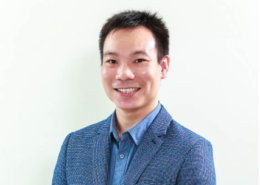
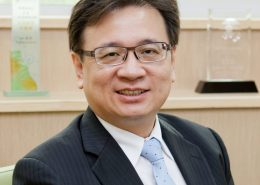
Author Profile: David Lundy, Associate Professor, Graduate Institute of Biomedical Materials and Tissue Engineering, College of Biomedical Engineering
 https://oge.tmu.edu.tw/wp-content/uploads/2026/07/speedy-screening.png
1000
1000
iss
/wp-content/uploads/2018/05/02-紅logo並置.png
iss2026-10-06 11:57:572026-10-06 12:06:21TMU TOCFL Speedy Screening 華語快篩測驗
 https://oge.tmu.edu.tw/wp-content/uploads/2026/09/THE-WUR-2027-Ranking-Badges_RANK-TOP-350.png
2250
2250
global.initiatives
/wp-content/uploads/2018/05/02-紅logo並置.png
global.initiatives2026-09-30 21:06:242026-10-01 13:54:32TMU Climbs to 326–350 in THE World University Rankings 2027
 https://oge.tmu.edu.tw/wp-content/uploads/2026/09/IMG_4131-scaled.jpg
1707
2560
oge
/wp-content/uploads/2018/05/02-紅logo並置.png
oge2026-09-29 15:28:302026-10-02 11:50:52TMU Workshop Highlights Progress in Taiwan–U.S. Health Research
 https://oge.tmu.edu.tw/wp-content/uploads/2026/09/OGE-Post-Mid-Autumn-Poster2-1-pdf.jpg
2993
2116
iss
/wp-content/uploads/2018/05/02-紅logo並置.png
iss2026-09-18 17:25:502026-09-24 10:33:49【Event Information】2026 When Moon Festival meets Taiwan Day
 https://oge.tmu.edu.tw/wp-content/uploads/2026/09/Figure-New-Clues-to-Autoimmune-Diseases.png
204
680
global.initiatives
/wp-content/uploads/2018/05/02-紅logo並置.png
global.initiatives2026-09-14 14:42:012026-09-24 18:16:10New Clues to Autoimmune Diseases: TMU Team Uncovers How Antibodies Bind Unusual DNA
 https://oge.tmu.edu.tw/wp-content/uploads/2026/09/IMG_9518.jpg
1773
2364
global.initiatives
/wp-content/uploads/2018/05/02-紅logo並置.png
global.initiatives2026-09-11 16:57:142026-09-30 15:49:35A New Semester, New Connections: International Students Begin Their TMU Journey
 https://oge.tmu.edu.tw/wp-content/uploads/2026/09/TMUTU1-1-scaled.jpg
1440
2560
global.initiatives
/wp-content/uploads/2018/05/02-紅logo並置.png
global.initiatives2026-09-09 11:05:462026-09-23 10:58:04Two Decades of Partnership, A New Chapter Begins: The Liaison Office of Tohoku University Graduate School of Agricultural Science Opens at TMU
 https://oge.tmu.edu.tw/wp-content/uploads/2026/09/圖2-徐之昇From-Hospital-Data-to-Global-Evidence-1.png
986
1596
global.initiatives
/wp-content/uploads/2018/05/02-紅logo並置.png
global.initiatives2026-09-07 11:29:182026-09-24 18:16:15From Hospital Data to Global Evidence: TMU Advances Real-World Healthcare Research
 https://oge.tmu.edu.tw/wp-content/uploads/2026/09/2026-UAAT-Workshop.jpg
1600
1800
global.initiatives
/wp-content/uploads/2018/05/02-紅logo並置.png
global.initiatives2026-09-01 15:45:212026-09-14 17:08:10【Event Information】2026 UAAT × UTS × TMU Integrated Project International Collaboration Workshop